Home » Flow Meter » Electromagnetic Flow Meter » slurry fluid Ceramic liner TiB2 electrodes magnetic flowmeter

slurry fluid Ceramic liner TiB2 electrodes magnetic flowmeter

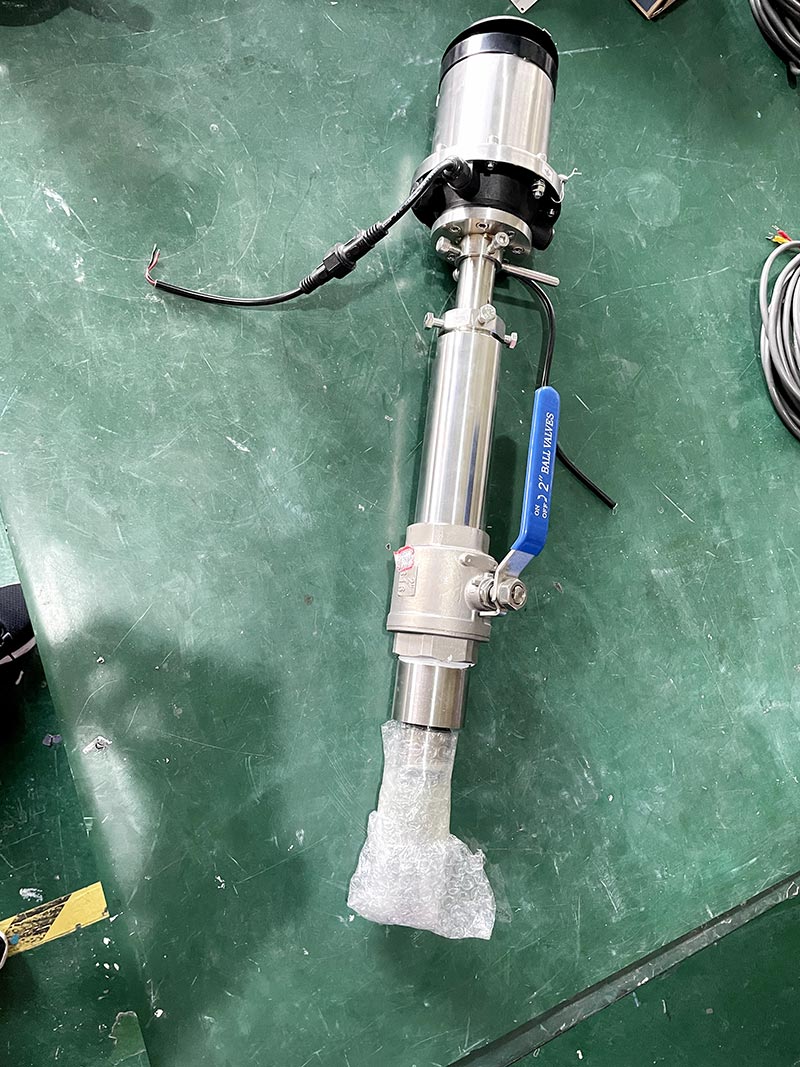
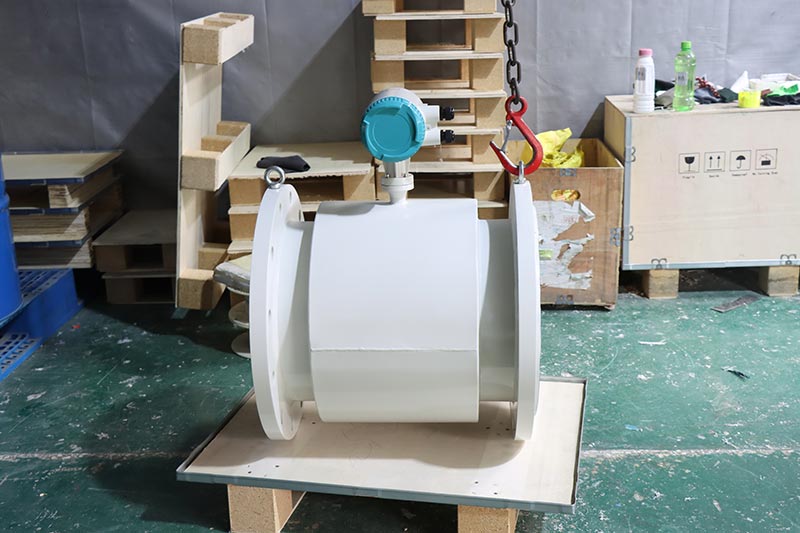
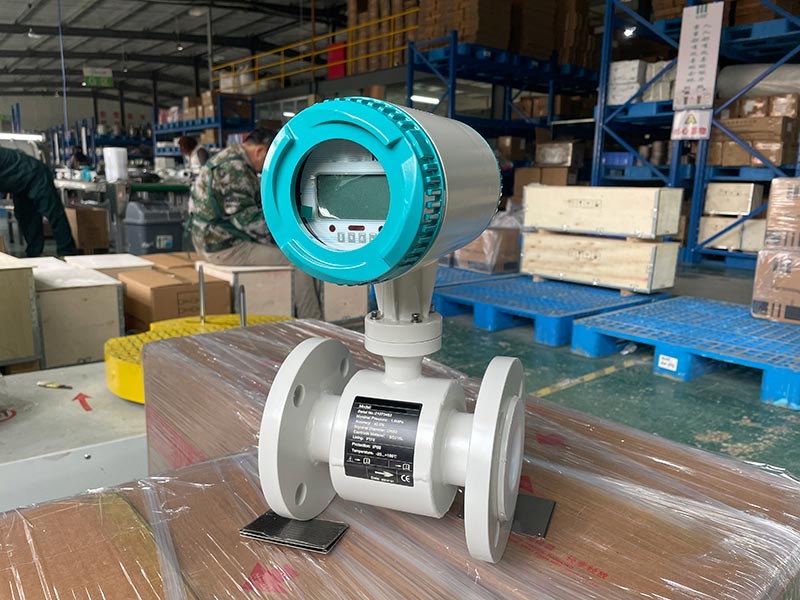
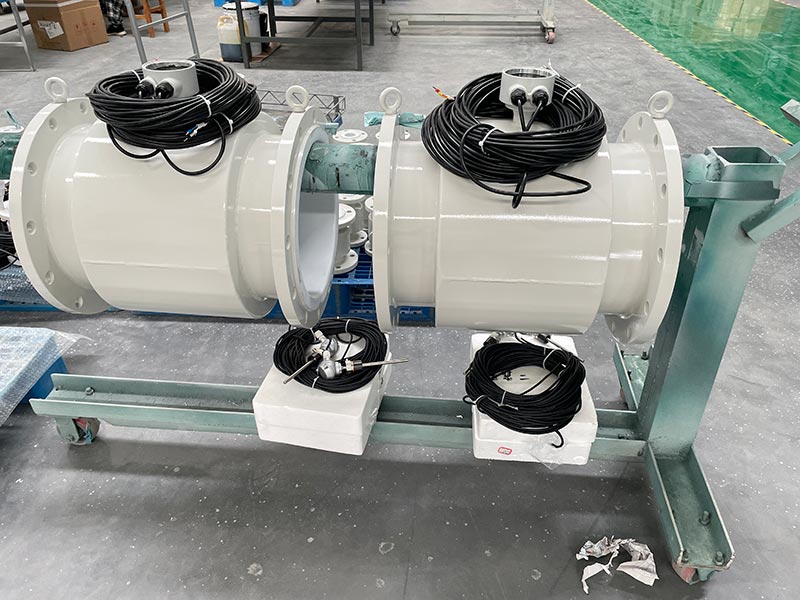
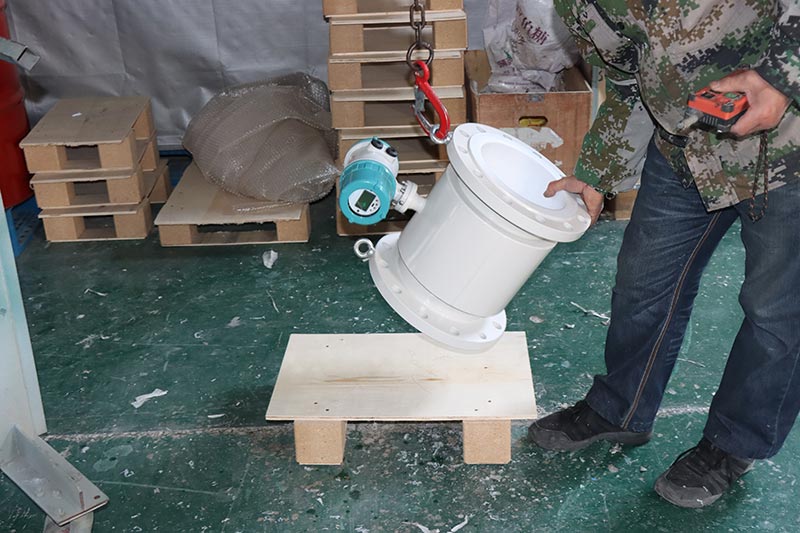
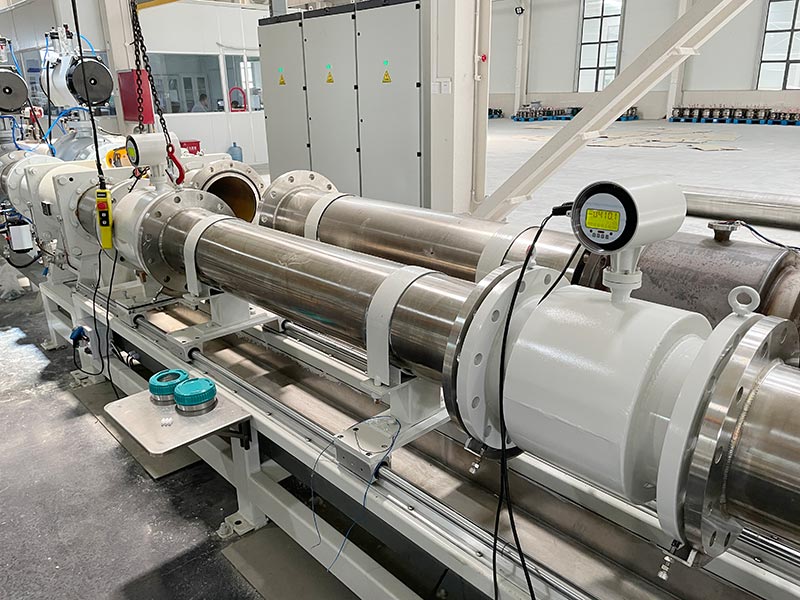
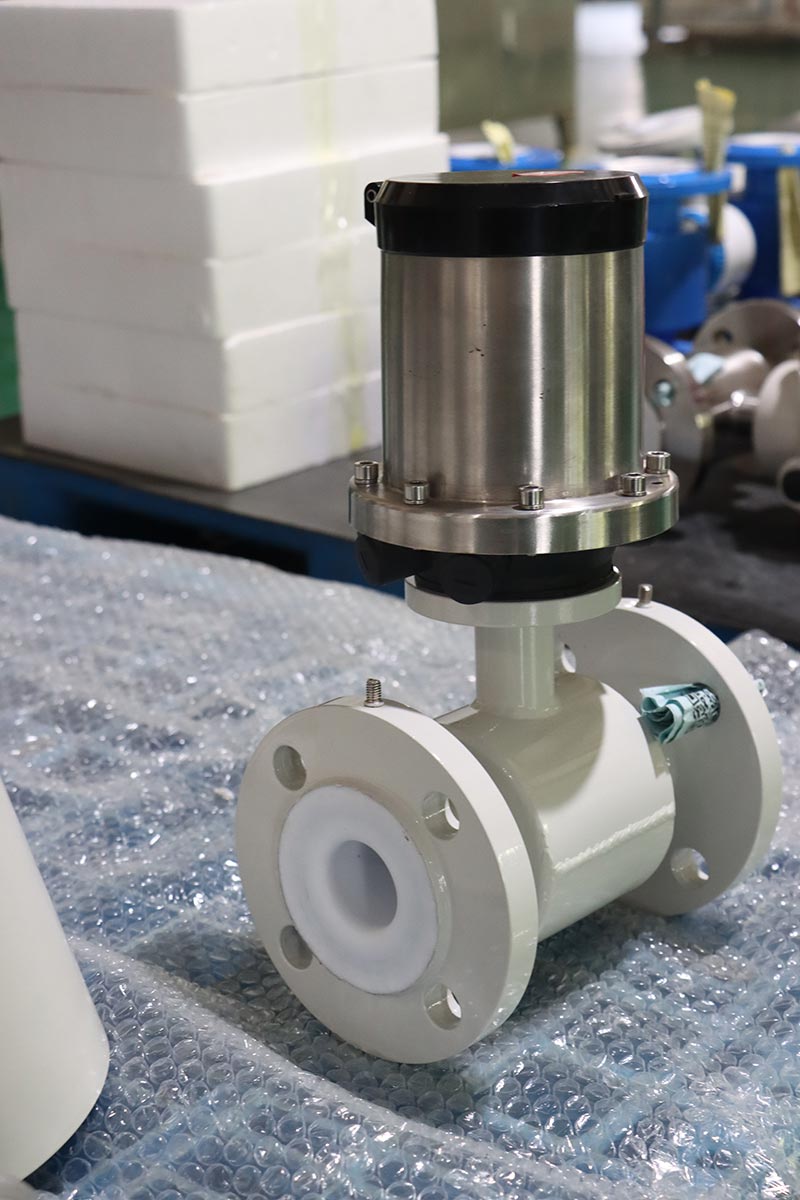
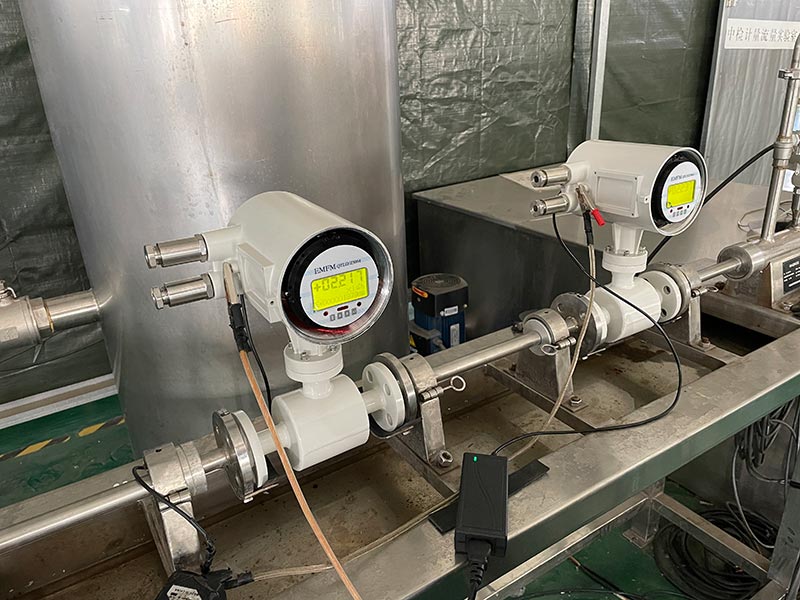
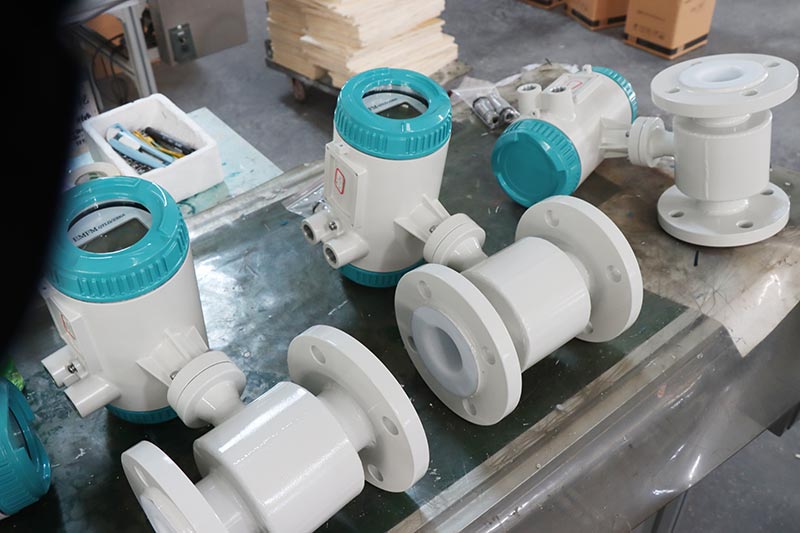
magnetic flowmeter don’t have any moving parts to wear down, reducing the need for maintenance or replacement. There are no obstructing flow parts in the measuring tube, no pressure loss, and lower requirements for straight pipe sections. At present, electromagnetic flowmeters have been widely used in flow velocity measurement in my country’s dredging industry.

Electrode: SUS316L, Hastelloy B, Hastelloy C
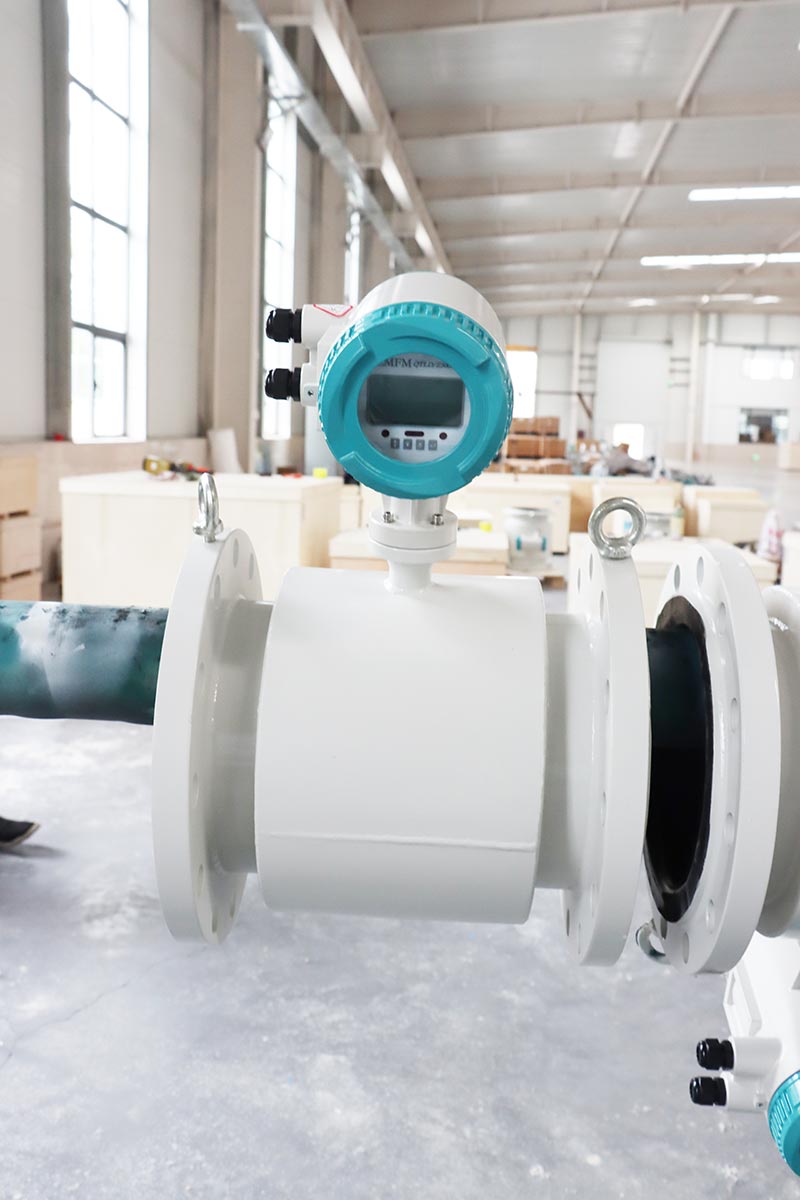
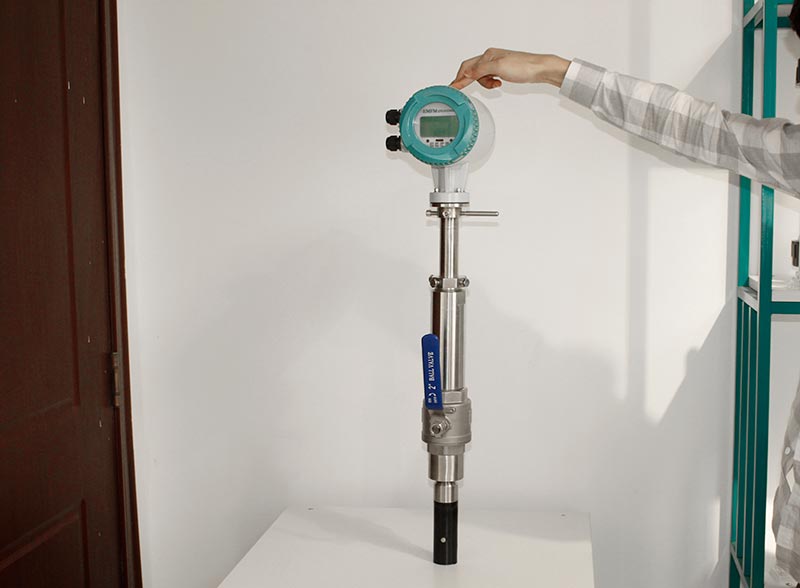
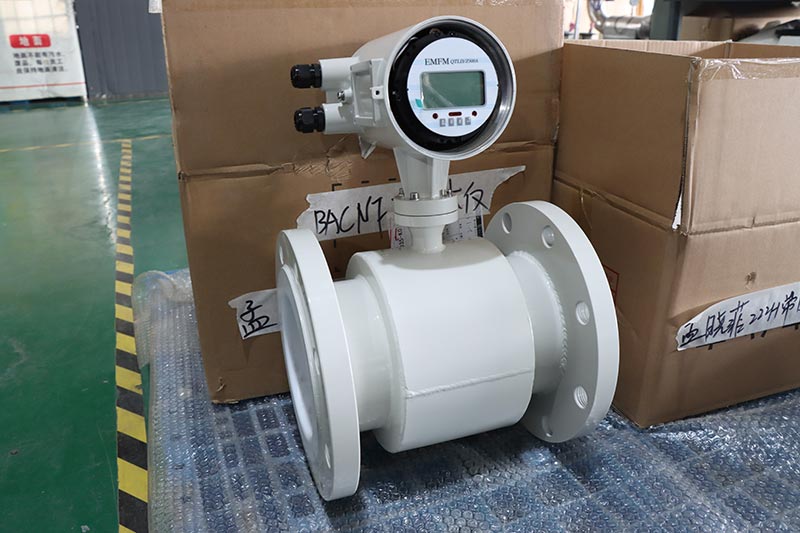
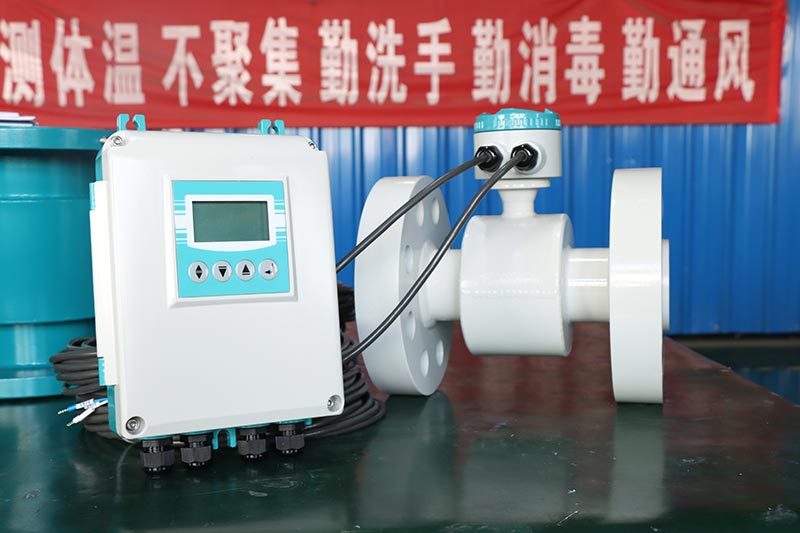
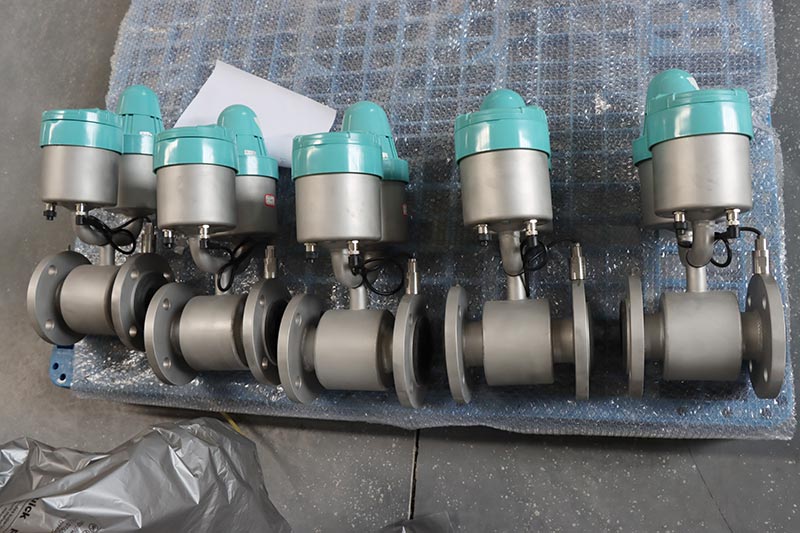
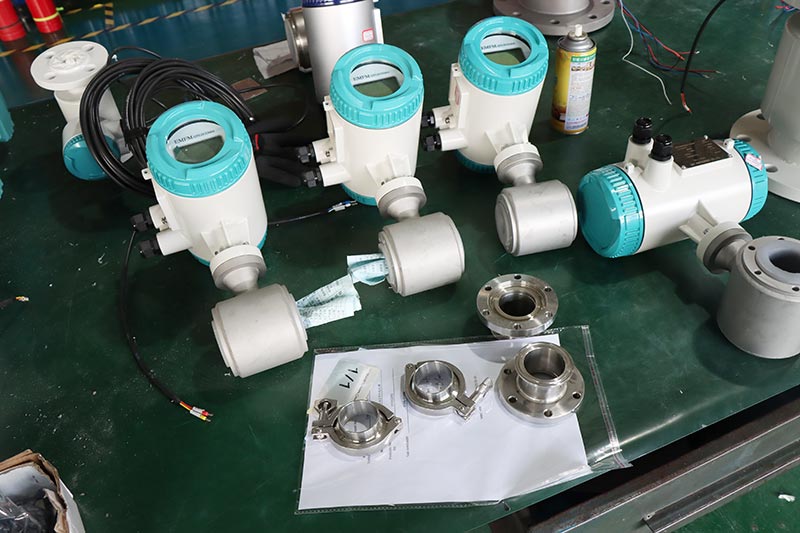
Structure: compact, remote
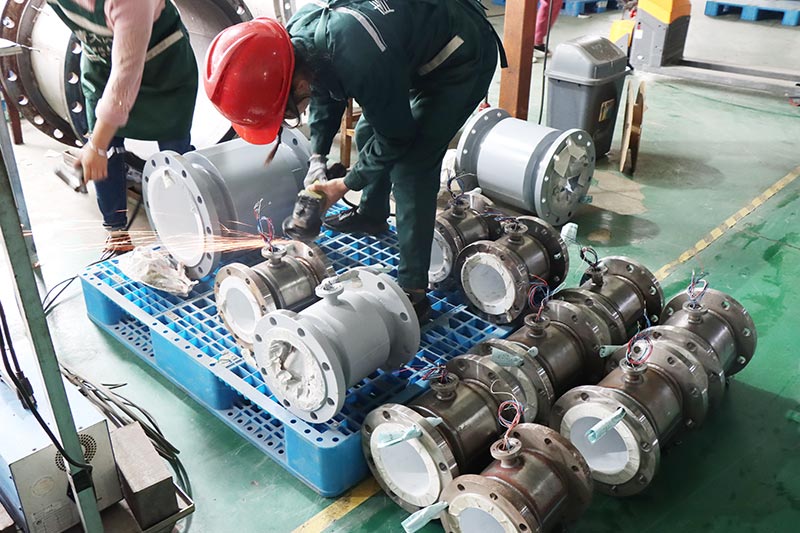
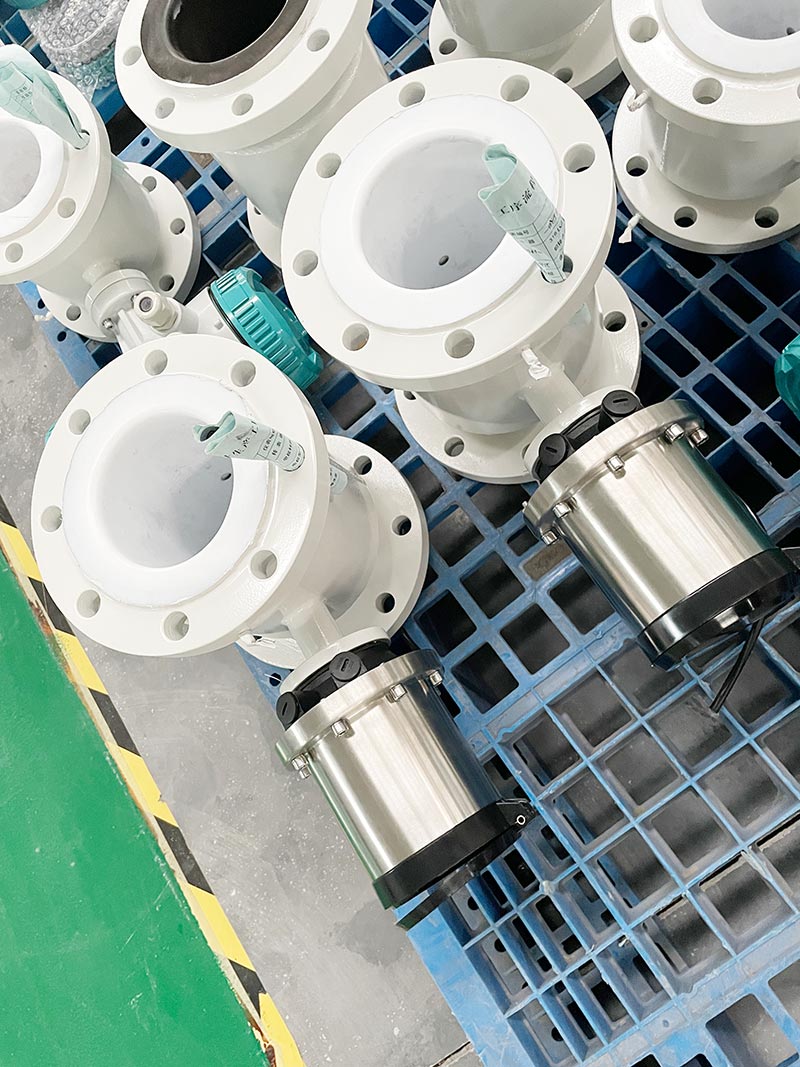
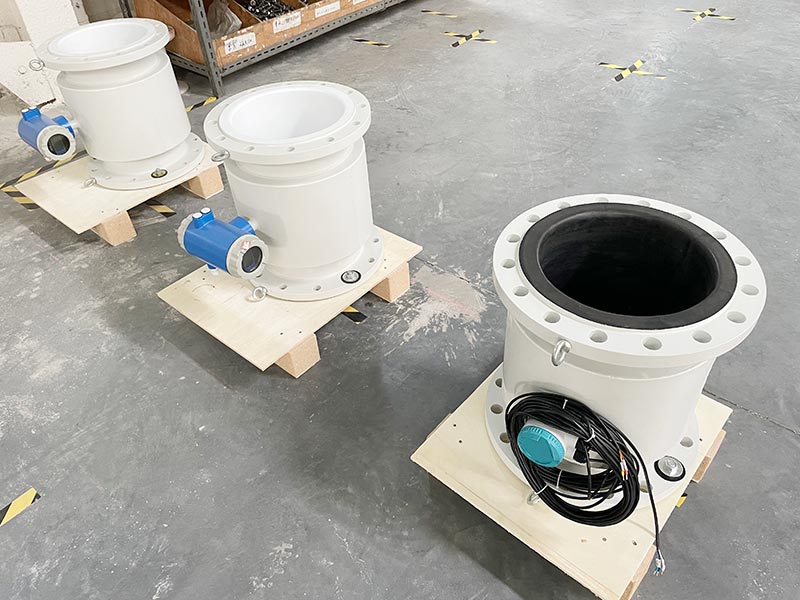
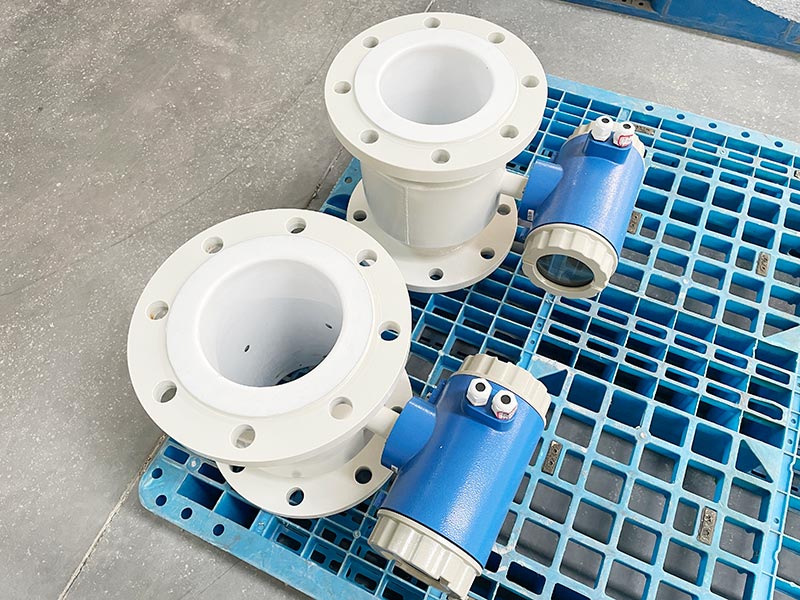
Liner: PTFE, PFA, Polyurethane, Neoprene, Hard Rubber, Ceramic
Output Signal: 4~20 mA, Pulse
Communication: RS485, HART, PROFIBUS

Rated 4.6/5 based on 306 customer reviews
Share:
Content
Inquiry


    More Electromagnetic Flow Meter
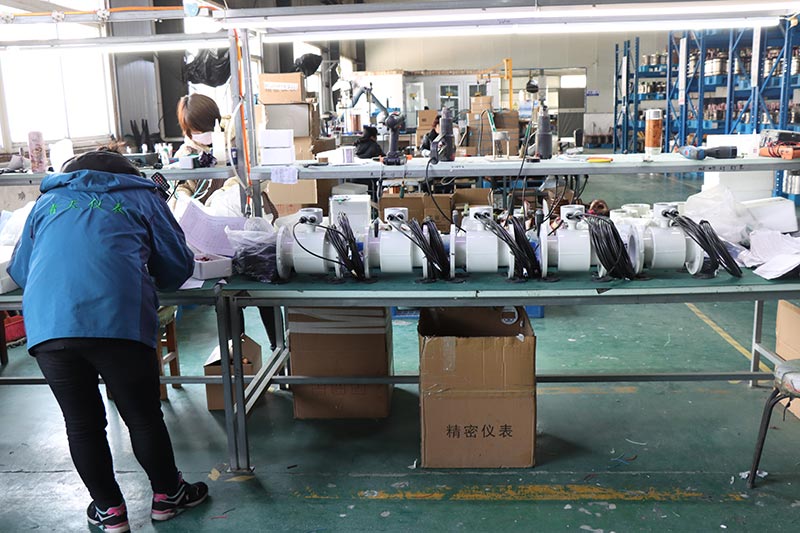
    magnetic flow meter (mag meter, electromagnetic flow meter) is a transducer that measures fluid flow by the voltage induced across the liquid by its flow through a magnetic field. A magnetic field is applied to the metering tube, which results in a potential difference proportional to the flow velocity perpendicular to the flux lines. The physical principle at work is electromagnetic induction. The magnetic flow meter requires a conducting fluid, for example, water that contains ions, and an electrical insulating pipe surface, for example, a rubber-lined steel tube.
    If the magnetic field direction were constant, electrochemical and other effects at the electrodes would make the potential difference difficult to distinguish from the fluid flow induced potential difference. To show this in modern magnetic flowmeters, the magnetic field is constantly reversed, cancelling out the electrochemical potential difference, which does not change direction with the magnetic field. This however prevents the use of permanent magnets for magnetic flowmeters.
    Size: 1/8″-120″
    Accuracy: ±0.5%
    Electrode: SUS316L, Hastelloy B, Hastelloy C
    Structure: compact, remote
    Liner: PTFE, PFA, Polyurethane, Neoprene, Hard Rubber, Ceramic
    Output Signal: 4~20 mA, Pulse
    Communication: RS485, HART, PROFIBUS
    Protection Grade: IP65 std, IP68 optional for remote
    Power supply: 85~250 VAC, 20V~36VDC, 3.6V lithium battery
    Sensor material: carbon steel (std), SS304 / SS316 (optional)
    Flange: ANSI, DIN, JIS, etc.